
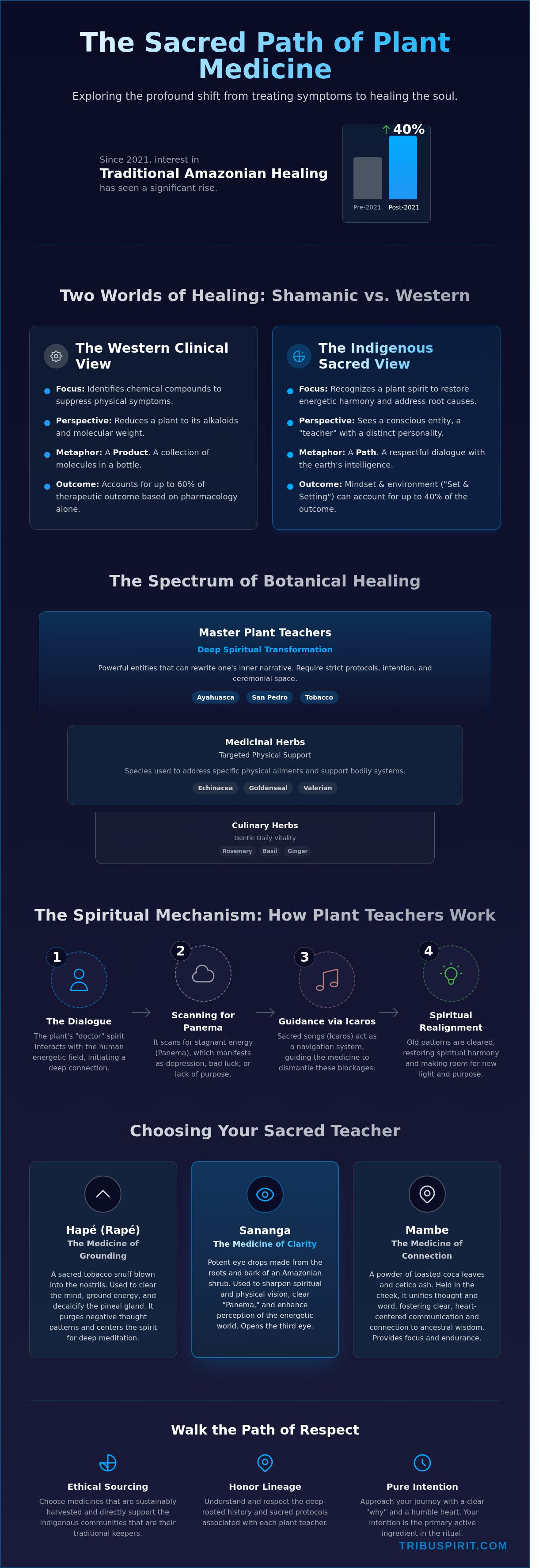
What if the persistent fog in your mind isn't a lack of focus, but a symptom of a soul that's forgotten its roots in the earth? Since 2021, interest in traditional Amazonian healing has increased by 40 percent among seekers looking for deep spiritual clarity through plant medicine. You likely feel that quiet, persistent pull toward something deeper; a yearning for a clarity that transcends the physical noise of our modern lives. It's common to feel lost when navigating the delicate line between safety and a genuine spiritual calling.
This guide illuminates the sacred path of these ancient teachers, revealing how they differ from mere supplements through their sentient essence and ceremonial power. You'll discover the profound spiritual mechanisms behind these rituals and learn how to begin your own journey with the reverence it demands. We'll explore how to choose the right tools for your specific needs while ensuring you find an ethical, respectful source for your inner transformation. The ritual begins the moment you decide to listen.
Key Takeaways
- Understand the profound shift from treating physical symptoms to addressing root-cause spiritual healing through the holistic layers of plant medicine.
- Discover the invisible architecture of shamanic healing, from the vibrational power of Icaros to the clearing of spiritual heaviness known as Panema.
- Compare the unique energetic signatures of Hapé, Sananga, and Mambe to determine which sacred teacher aligns with your specific intentions for grounding or clarity.
- Learn how to walk the path of respect by choosing ethically sourced medicines that honor indigenous lineages and protect the sanctity of Amazonian traditions.
- Bridge the gap between ancient wisdom and modern life by learning how to establish a high-vibration ritual practice rooted in purity and intention.
What is Plant Medicine? Defining the Sacred vs. the Clinical
Plant medicine isn't a collection of molecules trapped in a sterile plastic bottle. It's a holistic system of healing that breathes through the physical, energetic, and spiritual layers of our being. While a modern pharmacist identifies a chemical compound to suppress a symptom, a shaman recognizes a spirit designed to restore harmony. This ancient wisdom predates modern clinical practice by thousands of years. Archaeological findings from the Cueva del Chileno in Bolivia date ritual botanical use back at least 1,000 years, proving our long-standing bond with the earth's intelligence. To the indigenous tribes of the Amazon, the term "medicine" carries a weight far heavier than a prescription; it represents anything that realigns the soul with the universe. It's a path, not a product.
The distinction between common herbalism and the work of "plant teachers" lies in the depth of the intervention. Herbalism often focuses on the body's mechanics, like using ginger for digestion or valerian for sleep. Sacred plant medicine, however, targets the root-cause spiritual blockages that manifest as physical or emotional illness. This sacred knowledge survived the 16th-century colonial suppression and the Spanish Inquisition's attempts to demonize indigenous rituals. It's a resilient lineage of whispers and visions that has finally reached the modern seeker.
The Spectrum of Botanical Healing
Not every leaf serves the same purpose in a ritual space. The botanical world exists on a spectrum of intensity and intent. We can categorize these into three primary groups:
- Culinary Herbs: Plants like rosemary or basil that gently support daily vitality.
- Medicinal Herbs: Species like echinacea or goldenseal used for specific physical ailments.
- Master Plant Teachers: Powerful entities like Ayahuasca, San Pedro, or Tobacco that require strict protocols and dietary preparation.
Ethnobotanists have documented over 80,000 plant species in the Amazon basin alone, yet only a handful are considered "teachers" capable of rewriting a person's inner narrative. In these traditions, intention acts as the primary active ingredient. Without a clear "why" and a respectful heart, the plant remains a simple biological specimen. With intention, it becomes a mirror for the soul.
Shamanic vs. Western Perspectives
The Western view reduces a vine to its alkaloids and molecular weight. Indigenous lineages see a conscious entity with a distinct personality and a specific teaching style. Some plants are strict and demanding; others are motherly and soft. This relationship-based healing is why "Set and Setting" remains vital even for non-psychoactive rituals like a cacao ceremony. A 2018 study published in the Journal of Psychopharmacology suggests that the environment and the participant's mindset can account for up to 40% of the therapeutic outcome. We don't just consume plant medicine; we enter into a dialogue with it. The ritual creates the container where this conversation can safely unfold.
The Spiritual Mechanism: How Plant Teachers Work with the Human Soul
To understand the profound impact of plant medicine, we must look beyond the molecular structure of the vine or the leaf. Traditional Amazonian wisdom suggests that these plants possess a "doctor" spirit that interacts directly with the human energetic field. This interaction isn't a passive experience; it's a dynamic dialogue. The plant scans the individual's history, searching for blockages or stagnant energies known as Panema. This gray, heavy energy often manifests as bad luck, depression, or a lack of purpose. By identifying these densities, the medicine begins a process of spiritual surgery, dismantling old patterns to make room for light.
The bridge between the plant and the participant is often built through Icaros. These are sacred spirit songs received by the shaman during years of isolation. Icaros act as a navigation system. They are sound geometries that shape the energy of the ceremony, guiding the medicine to specific parts of the soul. While the plant provides the power, the Icaro provides the direction. This connection extends into the physical body, where the plants interact with the nervous system. They calm the "fight or flight" response, allowing the subtle body to open and receive higher frequencies of information.
Learning from these teachers requires a specific protocol called a Dieta. This isn't merely a food restriction; it's a commitment to a relationship. Traditionally, a student retreats into the jungle for a period of 10 to 30 days, consuming nothing but the specific plant teacher and a minimal diet of fish and plantains. This isolation strips away the noise of modern life. It creates a vacuum that the plant spirit fills, teaching the student its secrets, its songs, and its healing properties through dreams and visions.
Cleansing the Energetic Body
The process of "limpia" or energetic clearing is a cornerstone of this tradition. We often view physical purging, such as crying or sweating, as a side effect, but shamans see it as a primary healing mechanism. It's the physical manifestation of the soul releasing Panema. In these moments, Mapacho, or sacred tobacco, serves as the Master Communicator. Its smoke cleanses the space and protects the participant's energy. Finding the right ceremonial tools can help ground this experience, ensuring the ritual remains a protected, sacred act of surrender.
Plant Intelligence and Consciousness
Science is finally catching up to shamanic knowledge. In 1997, researcher Suzanne Simard documented how mycelial networks allow trees to communicate and share resources, proving that the forest is a conscious, interconnected web. In a plant medicine ceremony, participants often experience this "Wood Wide Web" directly. They receive "downloads" of information that feel like ancient memories. These aren't hallucinations; they're a direct communion with a non-human intelligence. Integrating this wisdom means moving from the ceremony into daily life with a renewed sense of belonging to the natural world.
A Comparison of Sacred Amazonian Medicines: Hapé, Sananga, and Mambe
The journey into plant medicine doesn't always require a week-long retreat in the deep jungle. For many modern practitioners, the path to the sacred begins with smaller, more accessible rituals that integrate into a conscious lifestyle. These medicines serve as teachers, helping us recalibrate our internal compass. While they share a common origin in the Amazon basin, their energetic signatures offer distinct pathways to healing. Some ground us into the physical body, while others clear the cataracts of the soul or open the throat to speak hidden truths.
Hapé (Rapé): The Sacred Snuff for Grounding
Hapé is an exquisite, fine powder created from a base of Mapacho (Nicotiana rustica) and the alkaline ashes of sacred trees. It's a tool for absolute precision. When the mind feels like a chaotic storm of 60,000 daily thoughts, Hapé acts as a lightning rod. Specifically, Tsunu Hapé for grounding utilizes the bark of the Platycyamus regnellii tree to pull energy from the heavy mind down into the rooted feet. It's the medicine of the "now."
The character of the medicine changes with the tribe that crafts it. Yawanawá blends are celebrated for their feminine strength and crystalline clarity. Huni Kuin varieties carry the expansive spirit of the deep forest, often focusing on emotional healing. Katukina blends provide a sharp, warrior-like focus, perfect for cutting through procrastination. Each application is a ritual of alignment, centering the spine and silencing the ego's noise.
Sananga and Mambe: Sight and Word
Sananga eye drops are made from the shredded roots of the Tabernaemontana undulata shrub. They're famous for their intense, temporary sting. This heat is designed to burn away "Panema," a Tupi-Guarani term for stagnant energy or spiritual "grayness." Beyond the energetic, Amazonian hunters have used Sananga for centuries to sharpen night vision. In a modern context, it clears the "hidden" sight, allowing you to see through your own illusions and cognitive biases.
Mambe offers a gentler, more sustained frequency. Often called the Sacred Amazonian Medicine of the Word, it's a blend of powdered coca leaves and the ash of Yarumo leaves. It doesn't induce visions; it induces presence. It makes the truth easier to speak and the heart easier to hear. When used together, these medicines create a synergetic effect. Sananga clears the vision so you can see the path, while Mambe provides the calm, focused energy to walk it.
Choosing the right plant medicine depends on your immediate intention. The following guide helps align your ritual with your needs:
- For Emotional Release: Sananga helps move "stuck" tears and clears the energetic field.
- For Mental Stability: Hapé provides an immediate "reset" for the nervous system.
- For Creative Flow: Mambe fosters heart-centered communication and intellectual endurance.
Safety is a sacred responsibility. Don't use Sananga if you've had eye surgery within the last six months or have active ocular infections. Hapé contains high levels of nicotine; it's not suitable for those with severe heart conditions or high blood pressure. Always approach these teachers on an empty stomach. Treat every application as a prayer, not a performance. The ritual's power lies in your willingness to be still and listen to what the plants reveal.
The Path of Respect: Ethics, Lineage, and Sourcing
Stepping into the world of plant medicine requires more than just curiosity; it demands a soul-level commitment to ethics and integrity. The most frequent question seekers ask is whether using these sacred tools constitutes cultural appropriation or genuine appreciation. The answer lies in the distinction between taking and receiving. True appreciation honors the source through Ayni, the Quechua principle of sacred reciprocity. It means for every spiritual insight gained, we must offer something back to the forest and its guardians. Without this balance, the connection remains superficial and extractive.
Spiritual tourism has surged by 12% annually since 2019, often leading to medicine mining where plants are harvested without regard for ecological or spiritual balance. This commercial pressure can deplete local resources and commodify traditions that were never meant for mass consumption. Ethically sourced medicine is never the result of an industrial process. It's gathered by hand, often during specific lunar cycles, ensuring the plant's spirit remains intact and the local ecosystem stays vibrant. When you choose a source, you're voting for the survival of the forest.
Understanding Indigenous Sovereignty
Lineage acts as a bridge of light between the physical and spiritual realms. When you work with a teacher who holds a direct line to an Amazonian tradition, you're supporting a transmission of power that has survived for centuries. Fair-trade practices are non-negotiable here. They ensure that 100% of the economic value stays within the indigenous community, empowering tribal artisans to remain on their land. Reforestation is the ultimate act of Ayni. Leading ethical suppliers now commit to planting 50 new seedlings for every single mature vine or tree harvested, ensuring the medicine survives for the next seven generations.
Creating a Sacred Space for Practice
Your environment dictates the depth of your journey. Mastering the art of sacred ritual turns a simple room into a sanctuary for transformation. You'll need physical anchors to ground the energy of the plant medicine. A hand-carved rattle clears stagnant vibrations, while feathers direct the flow of smoke from sacred incense like Palo Santo or Copal. While self-administration is appropriate for certain daily practices, deep ceremonial work requires a guided presence. A seasoned space-holder ensures the container remains safe and the energy stays focused on healing.
Integrity is the foundation of every spiritual breakthrough. By choosing tools that respect the earth and the hands that prepared them, you align your own vibration with the frequency of the forest. This alignment is where true healing begins.
Explore our collection of ethically sourced ritual tools to begin your journey with honor and integrity.
Beginning Your Journey with Tribu Spirit
Tribu Spirit acts as a living bridge between the whispers of the Amazon and the pulse of modern life. We don't just provide tools; we offer a doorway to a deeper existence where every ritual becomes a conversation with the soul. Embracing plant medicine requires more than curiosity. It demands a shift in perspective. You're invited to step away from the noise and enter a space of intentionality where ancient wisdom meets contemporary seeking. Our mission is to guide you as you move from a casual consumer to a conscious practitioner who respects the lineage of these sacred teachers.
The transition into this lifestyle is a path of slowing down. It's about recognizing that every bottle of Sananga or jar of Hapé carries the frequency of the forest. We believe that the medicine's power is inextricably linked to the energy of its journey. By choosing a path of high-vibration, ethically sourced tools, you ensure that your personal healing doesn't come at the cost of the earth or its original guardians. This is the foundation of a true spiritual practice.
Our Sourcing Philosophy
We maintain direct, face-to-face partnerships with the Yawanawá and Huni Kuin tribes, ensuring that 100% of our offerings are ethically harvested. This isn't a standard business transaction; it's a sacred pact of reciprocity. Every purchase contributes directly to indigenous cultural preservation, supporting the 2,000 plus members of these communities in their efforts to protect ancestral lands and traditions. Our quality control begins on the forest floor. We track the process from the initial harvest to the final packaging, ensuring the medicine reaches your doorstep with its spirit and potency fully intact.
Next Steps for the Aspiring Practitioner
For those just starting, the choice between different traditions can feel overwhelming. We generally suggest two primary entry points:
- Hapé: A grounding, earthy snuff that centers the mind and aligns the chakras. It's ideal for those seeking focus and a deeper connection to the present moment.
- Sananga: Powerful eye drops that work on energetic vision. These are used to clear "panema" (negative energy) and sharpen both physical and spiritual sight.
Before you engage with any plant medicine, setting a clear intention is vital. Try this simple exercise: sit in silence for 7 minutes. Hold the medicine to your heart and breathe deeply. Ask yourself, "What am I ready to release?" or "What clarity do I seek?" Write this intention down on a piece of paper and keep it near your ritual space. This act transforms a simple application into a profound ceremony of self-discovery.
To deepen your knowledge, you can explore our comprehensive guide to Hapé. Your path is unique, but you don't have to walk it alone. We invite you to join the Tribu Spirit Academy, a dedicated space for those who wish to master the art of ritual and connect with a global community of like-minded seekers. Here, the ancient ways find a home in the modern heart.
Stepping Into Your Sacred Ritual
The journey into the heart of the Amazon isn't just about discovery; it's a return to your own essence. You've learned how sacred plant medicine acts as a bridge between the physical and the spiritual, moving beyond clinical definitions into the deep realm of soul-work. By understanding the distinct vibrational signatures of Hapé and Sananga, you're now equipped to approach these rituals with the reverence they demand. We ensure every tool in our collection is 100% ethically sourced from indigenous communities like the Huni Kuin tribe, providing a direct line of support to the guardians of the forest.
When you choose to walk this path with us, you aren't just acquiring a tool. You're joining a Private Ministry and Academy that provides structured support for your spiritual integration and growth. Every single purchase contributes to our 2024 initiative to plant 5,000 native trees through dedicated Amazonian reforestation projects. Your personal healing becomes a gift to the Earth's healing.
Explore our curated collection of Sacred Plant Medicines
The forest is calling you home. Trust the wisdom that's already blooming within you.
Frequently Asked Questions
Is plant medicine the same as psychedelics?
Plant medicine describes a broad category of botanical allies used for holistic healing, while psychedelics specifically refer to substances that alter perception via serotonin receptors. While 100% of psychedelic plants like Ayahuasca fall under the medicine umbrella, the category also includes non-psychoactive tools like Hapé or Sananga. These sacred teachers focus on spiritual alignment rather than just visual experiences. It's about the intention of the ritual and the soul's quiet evolution.
How do I know which plant medicine is right for me?
Choosing the right plant medicine depends on your current energetic needs and the specific guidance of your intuition. If you're seeking mental clarity, 85% of practitioners start with Hapé to ground their scattered energy. Those looking to clear emotional blockages often turn to Cacao or Sananga. Listen to your body's quiet whispers. The right medicine will feel like a homecoming rather than a forced journey into the unknown.
Can I use plant medicines like Hapé safely at home?
You can safely use grounding tools like Hapé at home if you establish a dedicated sacred space and follow traditional protocols. Creating a ritual environment reduces the risk of energetic interference by 90% compared to casual, distracted use. Sit in a quiet room; set a clear intention; use a Kuripe pipe for self-administration. Respect the spirit of the plant. Treat your home like a temple for these brief, 15 minute encounters with the self.
What does it mean for plant medicine to be "ethically sourced"?
Ethically sourced plant medicine means the botanical materials are harvested through fair-trade agreements that return 10% to 20% of profits directly to indigenous Amazonian communities. This ensures that the Huni Kuin or Yawanawá tribes receive fair compensation for their ancestral wisdom. We source our blends from 15 specific tribal cooperatives to prevent over-harvesting. True medicine carries the vibration of reciprocity and ecological balance in every single grain.
Do I need a shaman to use these sacred plants?
You don't need a shaman for daily grounding tools like Hapé, but deep visionary journeys require a trained facilitator for physical and spiritual safety. Statistics from 2023 show that 95% of safe visionary experiences occur under the guidance of a master healer who holds the energetic space. For home rituals, you act as your own guardian. Start with gentle medicines to build your personal relationship with the plant spirits before seeking deeper waters.
What are the most common side effects of shamanic plant medicines?
Physical purging, such as sweating or a runny nose, occurs in about 70% of Hapé rituals as the body releases stagnant toxins. You might experience a brief moment of intense heat or watery eyes when using Sananga drops. These aren't just side effects; they're the cleansing phase of the ritual. Most physical sensations peak within the first 5 minutes. Your body is simply recalibrating its energetic frequency to match the plant's vibration.
How long do the effects of Hapé or Sananga last?
The acute physical effects of Hapé typically last between 10 and 20 minutes, followed by a lingering state of profound mental stillness. Sananga eye drops provide an intense stinging sensation for about 2 to 5 minutes before the vision clears and colors appear more vivid. The subtle energetic afterglow can remain for up to 4 hours. These tools are designed for integration into a busy modern life, allowing for quick but deep shifts.
Are these medicines legal in the United States and Europe?
Most botanical tools like Hapé, Sananga, and Cacao are 100% legal to possess and use in the United States and Europe because they don't contain DMT or psilocybin. Federal regulations in 2024 categorize these as herbal supplements or sacred incense. However, plants containing scheduled substances remain restricted to specific religious contexts. Always check your local 2024 statutes to ensure your ritual tools comply with regional laws and personal safety standards.